

HISTORICAL GUIDE
In the footsteps of Stanisław Pary
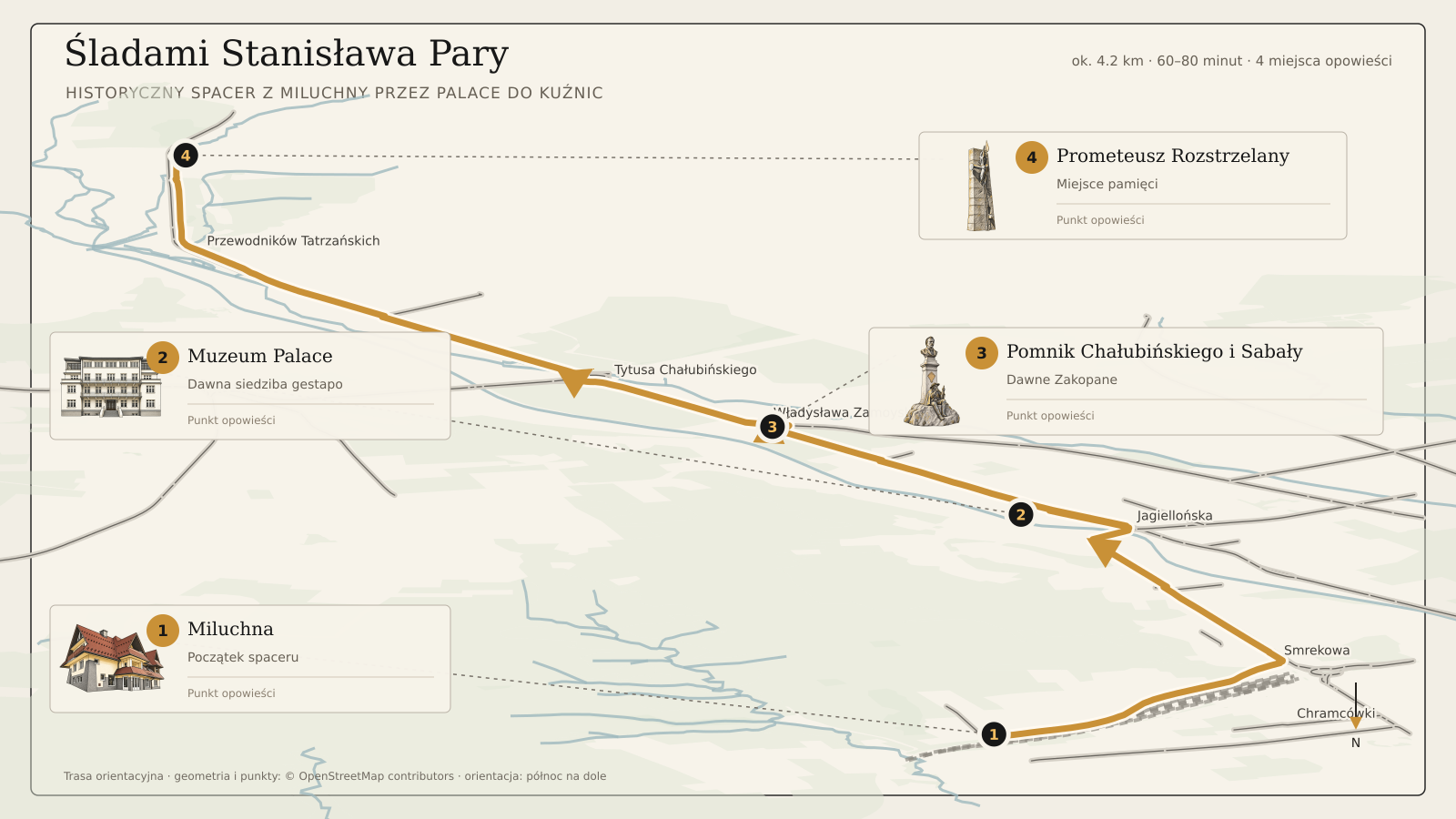
This walk leads from the Miluchna Apartments to places connected with the occupation history of Zakopane and the last months of the life of Stanisław Pary – a young resident of Biały Dunajec, a Gestapo prisoner, shot by the Germans on May 30, 1944, in the Kuźnicka Clearing.
The route connects family memories with places that still exist today: the former Gestapo headquarters in the Palace villa, the monument to Tytus Chałubiński and Sabała, and the execution site commemorated by the "Prometheus Executed" monument.
- 4–5 km
- 60–80 minutes
- historical walk
- about 2.5–3 hours with a visit to the Palace
The beginning of the walk
1 - Sweetheart
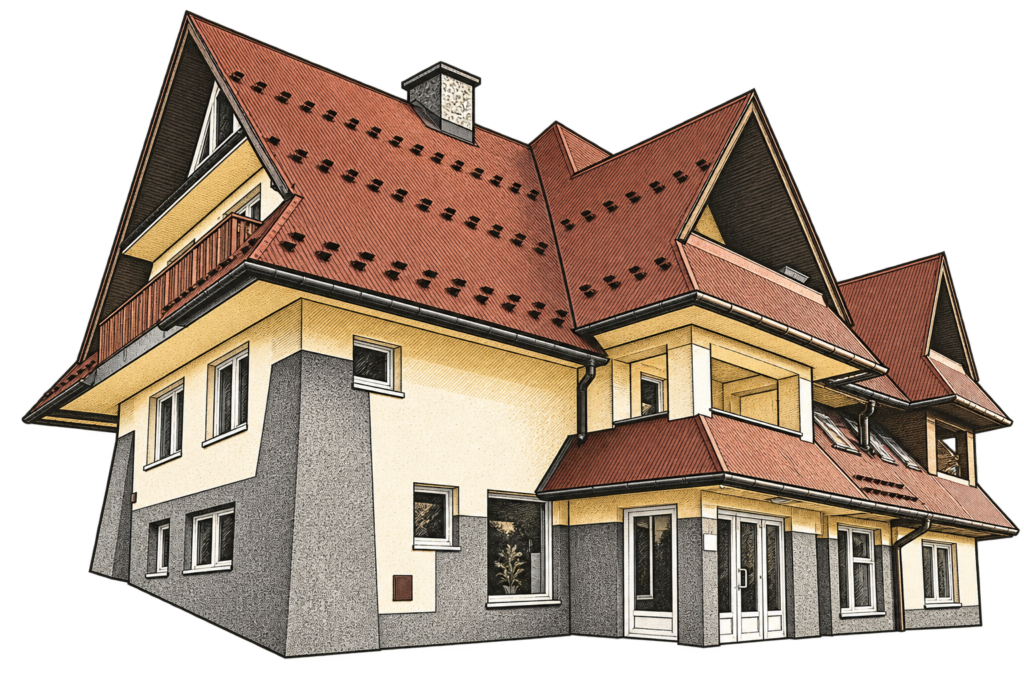
We begin our walk at the Miluchna Apartments at Smrekowa Street 26B. From there we head towards the center of Zakopane and then towards Tytusa Chałubińskiego Street.
However, this isn't just a route between different parts of the city. It's an attempt to recreate a fragment of one person's story and place it within the broader history of occupied Podhale.
Stanisław Para was born on May 4, 1924, in Biały Dunajec. He was the son of Jan Para and Ludwika (née Sikora). He was only 20 years old at the time of his death.
7 TYTUSA CHAŁUBIŃSKIEGO STREET
2 - Palace Museum
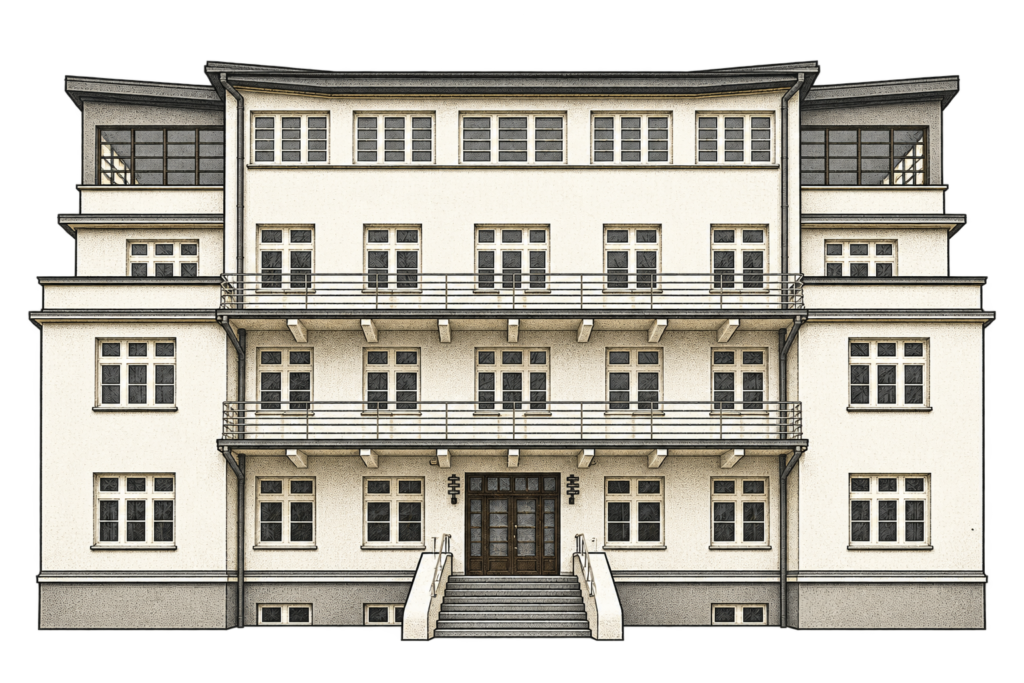
During the German occupation, the Palace villa served as headquarters for the Zakopane Gestapo. Residents of the Podhale region, individuals involved in the underground resistance, Tatra couriers, and those suspected of helping those sought by the occupiers were interrogated and tortured here.
Stanisław Para was arrested by the Gestapo on March 28, 1944. In March and April, he was held in Gestapo custody at Palace, and then transferred to the prison on Montelupich Street in Kraków.
History preserved in the family's memory
A family story survives that Stanisław helped escort a Jewish woman across the border toward Hungary. This story may explain his arrest and subsequent prosecution, but at this stage of research, it has not been confirmed by archival documents.
Therefore, it should be treated as an important family tradition, not as an established historical fact.
ZAMOYSKIEGO UL. 42A
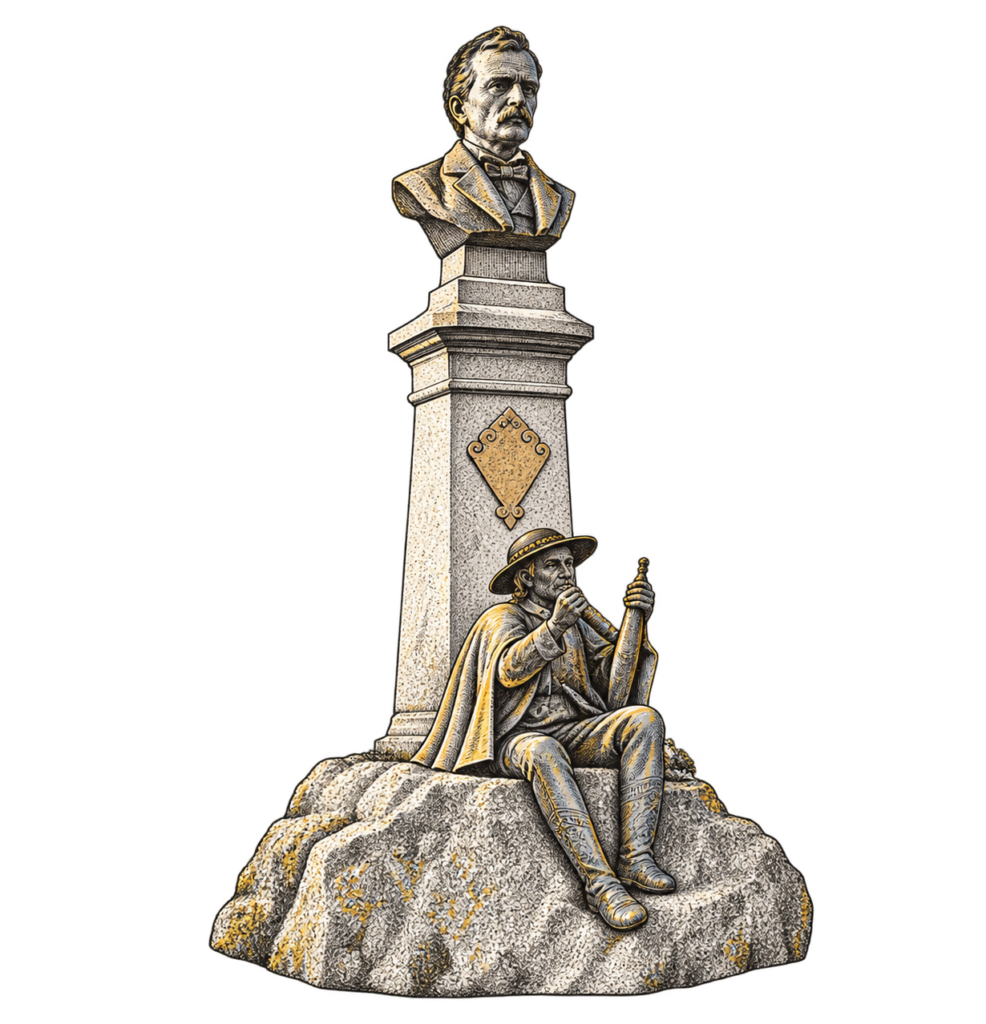
3 - Monument to Chałubiński and Sabała
From the Palace, we head towards the Tytus Chałubiński and Sabała monument. The monument was unveiled in 1903. It was designed by Stanisław Witkiewicz and sculpted by Jan Nalborczyk.
The monument brings together two figures inextricably linked to the history of Zakopane: Dr. Tytus Chałubiński – a physician, researcher and popularizer of the Tatra Mountains – and Jan Krzeptowski Sabała, a highland musician, storyteller and guide.
It is also a reminder of Zakopane before the war – a meeting place of highlander culture, science, art and developing tourism.
END OF THE WALK
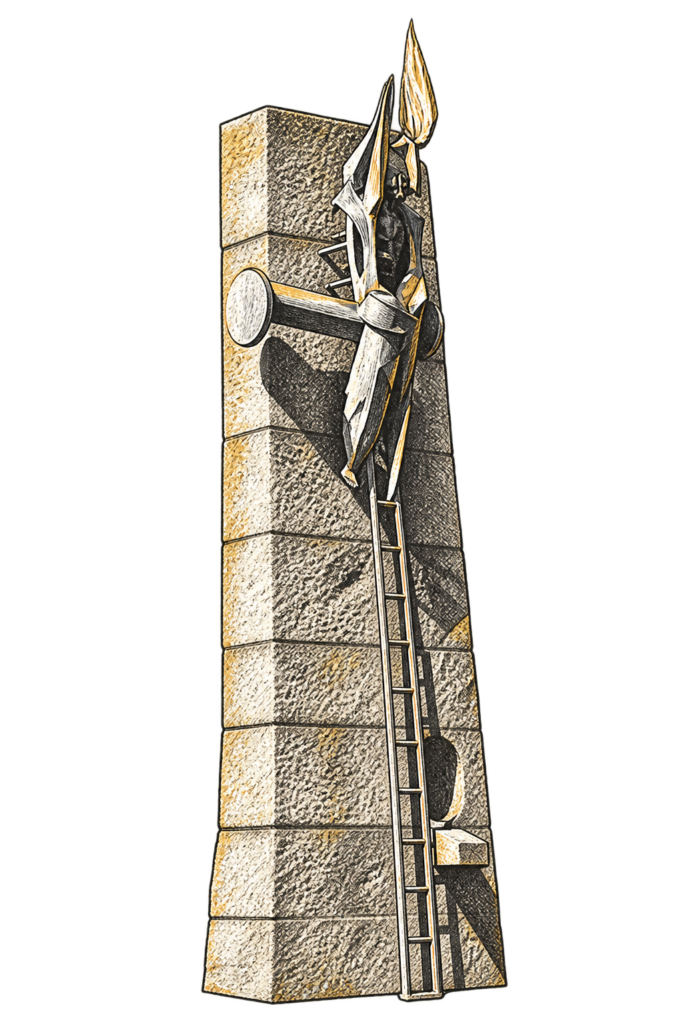
4 - Prometheus shot
The walk ends at the "Prometheus Executed" monument in Wielka Kuźnicka Glade. Designed by Władysław Hasior, it was unveiled in 1964 and its construction was financed by donations from Zakopane residents.
The expressive figure of Prometheus symbolizes suffering, sacrifice, and resistance to violence. Near the monument, a cross marks the site of the May 1944 execution.
This is where the road that began at Miluchna ends – from family memories, through the place of imprisonment, to the place of death of Stanisław Para and the other victims.
The walk ends in Kuźnice. However, the memory of those who perished continues.
1924–1944
White Dunajec
Stanisław Para was born, the son of Jan Para and Ludwika née Sikora.
Arrest
Stanisław Para was arrested by the Gestapo.
Palace
He was imprisoned in the Zakopane Gestapo headquarters in the Palace villa.
Montelupich
He was imprisoned at Montelupich Street in Krakow.
Kuźnicka Glade
He was shot along with the other prisoners. He was 20 years old.
SOURCES AND MATERIALS
What is this story based on?
The guide was created based on historical materials, archival documentation, and family memories. Where sources do not allow for clear conclusions, this is clearly indicated in the text.
Tatra Museum — "Crime in the Shadow of the Tatra Mountains – 81st Anniversary of the Shooting of Prisoners in Kuźnice"„
The most important source regarding the execution at the Kuźnicka Glade, its course and the list of victims, including Stanisław Pary.
Open the Tatra Museum material
Palace Museum — a branch of the Tatra Museum
Information about the Palace villa, the former headquarters of the Zakopane Gestapo, and information for visitors.
Palace Museum
Zakopane - official city website: Monuments
A source of information about, among others, the monument to Tytus Chałubiński and Sabała, its authors and location.
Monuments of Zakopane
Institute of National Remembrance — database "Personal Losses and Victims of Repression"„
Database of people repressed under the German occupation, based on archival materials.
IPN's repressed persons search engine
Editorial note:
Some information regarding Stanisław Pary requires further archival research. The family account of helping a Jewish woman on her way to Hungary has not yet been documented and has been presented as a family account.

